ISTDP Therapy: Unlocking Emotional Healing and Personal Growth
ISTDP Therapy is a dynamic and evidence-based approach that invites individuals to embrace transformation and embark on a journey of healing, insight, and personal growth. It offers a comprehensive and focused method for addressing a wide range of psychological difficulties. Contact us today to unlock new possibilities for mental well-being.

Exploring the Depths of ISTDP: Unveiling the Power of Emotional Transformation

ISTDP, or Intensive Short-Term Dynamic Psychotherapy, is a powerful and evidence-based therapeutic approach that aims to uncover and address deep-seated conflicts and defenses contributing to psychological difficulties. Grounded in psychodynamic principles and developed by Dr. Habib Davanloo, ISTDP offers a comprehensive and focused method for exploring the unconscious processes shaping thoughts, emotions, and behaviors. Our highly trained therapists guide individuals to gain deeper self-awareness and insight, accessing and processing previously avoided or repressed emotions. By promoting emotional healing and facilitating transformative change, Intensive Short-Term Dynamic Psychotherapy empowers individuals to overcome challenges, enhance coping mechanisms, and form more fulfilling relationships. ISTDP sessions involve a dynamic and interactive process, fostering a strong therapeutic alliance, and supporting individuals to experience and express authentic emotions fully. Through empathetic listening, precise interventions, and supportive challenges, our skilled therapists assist individuals in confronting and overcoming resistance, enabling profound transformation.
Empowering Change and Emotional Well-being
ISTDP Therapy offers a range of benefits that empower individuals to achieve profound change and enhance their mental well-being. By delving into unconscious processes and addressing deep-seated conflicts, we can help individuals gain deeper self-awareness, insight, and emotional healing. The benefits of ISTDP include:
01.
Emotional healing and resolution
ISTDP provides a focused and comprehensive approach to addressing anxiety, depression, trauma, relationship difficulties, and personality disorders.
02.
Improved emotional regulation
By addressing unconscious conflicts and defenses, ISTDP supports individuals in developing healthier coping mechanisms and emotional regulation skills.
03.
Strengthened relationships
ISTDP explores the dynamics of interpersonal relationships, promoting greater understanding, empathy, and healthier connection with others.
04.
Enhancing relationship dynamics
ISTDP fosters a deeper understanding of relational patterns and supports individuals in forming more fulfilling and authentic connections with others.
05.
Cultivating personal growth
ISTDP supports individuals in cultivating personal growth, embracing new perspectives, and making positive changes in their lives.
06.
Creating lasting change
ISTDP offers the opportunity for lasting change by addressing the underlying conflicts and defenses that contribute to emotional challenges.

Customised Treatment Plans: ISTDP Therapy to Suit Your Needs
The duration and frequency of sessions are tailored to meet your unique therapeutic needs and goals. Our compassionate therapists recognise that healing and transformation take time and offer flexible treatment plans that accommodate your individual journey. Whether you require shorter, focused interventions or longer-term support, we are committed to providing a comprehensive and responsive approach. Together, we will determine the ideal duration and frequency of sessions to facilitate your transformation and ensure lasting change.
Embrace Transformation: ISTDP Therapy for Those Seeking Emotional Well-being
ISTDP Therapy is available to individuals who are seeking emotional well-being and personal growth. There are no specific prerequisites or eligibility criteria to start ISTDP sessions. Our dedicated therapists are here to guide you through the process, whether you're facing anxiety, depression, trauma, or relationship difficulties. We provide a safe and supportive space for individuals from all backgrounds and experiences. If you're ready to embark on a transformative journey towards healing, ISTDP Therapy offers a pathway to profound change.

ISTDP: Compassionate Therapists Committed to Your Growth
At Mindpy, we have a team of practitioners who are professionals in Intensive Short-Term Dynamic Psychotherapy (ISTDP), empowering individuals to embark on transformative healing journeys. Our therapists are highly qualified and experienced in ISTDP techniques, bringing a deep understanding of the underlying dynamics that shape your emotional experiences. With their compassionate approach, our ISTDP practitioners create a safe and trusting space for you to explore your emotions, confront unconscious conflicts, and facilitate lasting change. Rest assured that you will be supported by skilled professionals who are committed to your growth and well-being. Discover the expertise and dedication of our ISTDP practitioners and take the first step towards transformation.
Frequently Asked Questions
Intensive Short-term Dynamic Psychotherapy (ISTDP) is an accelerated form of psychodynamic psychotherapy designed to provide rapid access to the unconscious. It was developed by Dr. Habib Davanloo, a psychiatrist from Montreal who grew frustrated with the length and unreliability of psychoanalysis. Refined through empirical, video-recorded research, ISTDP is more active and focused than traditional psychodynamic psychotherapy. It has been shown to be effective in the treatment of anxiety, depression, character disorders (referred to as personality disorders in DSM) and somatisation. It aims to provide not only symptom relief, but also personality restructuring.
The metapsychology of ISTDP makes use of the two triangles which succinctly summarise basic psychodynamic concepts.
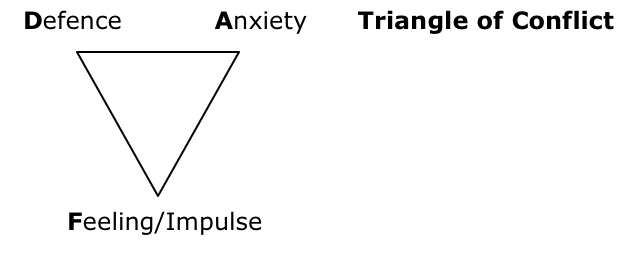
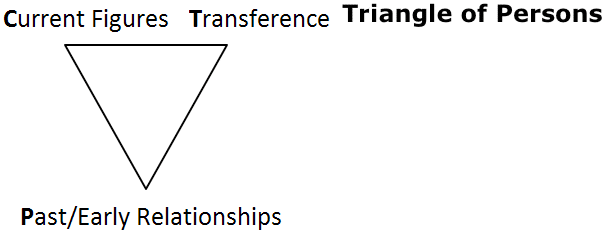
Feelings and impulses that early caregivers did not tolerate, evoke anxiety and are avoided by the use of defenses. As illustrated by Malan’s (1979) Triangle of the Person, core emotional conflicts from the patient’s early relationships are re-enacted with others in the patient’s current life, including the therapist.
Like any dynamic treatment, faulty cognitions are not viewed as an end in themselves as they are in cognitive-behavioural therapy (CBT), but as defenses against unconscious feelings and anxiety. If the defenses work well, little or no anxiety is experienced. If the defenses fail in keeping the feelings well-hidden, anxiety rises at the prospect of the feelings rising to the surface.
Gentle but persistent pressure is exerted on the patient, to acknowledge and turn against the defenses that block the experience of the true feelings. Once defenses are removed, the patient experiences the intense, mixed memories and feelings. As research attests, it is not considered sufficient to have insight into our true feelings; the direct experience of the feelings about the past and the present, during the therapy session, is essential to extinguish their power to produce anxiety and to render the defenses redundant.
Any anxiety evoked during this process is directly addressed so that it does not become overwhelming.
With ISTDP it is possible to break through lifelong defenses within a single session, thus “unlocking” the patient’s unconscious and providing direct access to the patient’s past.
We seek that each individual should become authentic and whole, able to fully engage and participate in life without being hampered by painful emotions and maladaptive ways of relating and behaving. Improvements in well-being and functioning generally continue beyond the end of the therapy.
It is a treatment model that is consistent with the latest neuroscientific evidence on how the adult brain changes.
ISTDP has been tested in many clinical trials and now meets evidence-based criteria for complex and challenging clinical problems, which include somatoform disorders, personality disorders, and treatment-resistant depression in adults.
It has been shown to be effective in the treatment of wide range of emotional issues including anxiety, depression including treatment-resistant depression, somatic conditions, interpersonal difficulties and personality disorders.